
 See My Latest Article on HelloNation
Which Home Projects Are Safe for DIY?
Small repairs and cosmetic upgrades are often manageable for residents with basic skills and patience. Painting walls, fixing a leaky faucet, or replacing cabinet hardware can typically be tackled without much risk.
People in Spring Green frequently handle:
- Interior painting (using low VOC paints due to seasonal ventilation issues)
- Upgrading light fixtures or outlets, provided they're on standard circuits and the power is off
- Caulking and weatherstripping windows for increased energy efficiency during cold winters
- Installing shelves or assembling furniture
These projects usually require minimal specialized equipment and pose little safety risk. However, even with simple tasks, it’s smart to double-check local building codes, especially in historic homes or if working near exterior walls, as some older properties in the community can have unexpected features.
When Should You Avoid DIY for Home Improvement?
If a project might threaten your safety, the structural integrity of your home, or requires a permit, it’s usually not suitable for do-it-yourself work. In Spring Green, key scenarios where extra caution is needed include:
- Electrical service upgrades or panel work—mishandling can be hazardous and may violate electric codes
- Structural changes, like removing walls or altering floor joists—Spring Green homes often have older framing, making renovations complex
- Plumbing changes beyond faucet swaps or drain cleaning; rerouting pipes or fixing sewer lines involves expertise and can affect municipal systems
- Roofing repairs on steep or high-pitched roofs common in the area, especially with ice risk or outdated shingles
Spring Green’s local ordinances or state codes sometimes require inspections or permits even for moderate work. Attempting to skip these steps can not only result in fines but also greater repair costs later. Even for routine maintenance, residents should be aware of the seasonal freeze-thaw cycle, which can turn small issues into larger problems quickly.
What Causes Home DIY Projects to Go Wrong in This Area?
The region’s unique mix of climate, historic homes, and landscape can complicate projects. Mistakes tend to happen if:
- Materials aren’t suitable for Wisconsin’s humidity swings and freeze cycles
- Hidden damage (like wood rot or pest issues) goes unnoticed, especially in older homes or basements prone to dampness
- DIYers underestimate insulation needs or vapor barrier codes, leading to moisture issues
- Projects are started without checking for restricted materials or methods under local regulations, especially for exterior updates
A common misconception is that guidance found online will always match local construction practices. Procedures that work well in other regions may not be suited for Spring Green’s seasonal extremes or the structure of local homes. Residents sometimes find they need to redo work with different materials or correct improper installation.
How Do Local Regulations Affect DIY Versus Professional Projects?
Regulations in Spring Green are designed to keep homes safe and up to standard, but can be confusing to navigate. Residents planning major changes—especially to plumbing, electrical, or structural elements—should always review city requirements before work begins. Local codes may cover:
- Setback and easement rules for additions or fences
- Requirements for smoke and carbon monoxide detectors during remodels
- Special rules for historic homes or properties in designated districts
- Permit mandates for roofs, decks, or any work involving utilities

Skipping permits or inspections can cause headaches when selling a house, or if insurance coverage is ever needed for repairs. Some household projects may seem routine to DIY, but could later be flagged during a home transaction or by city inspectors.
What Skills or Tools Make a DIY Project Successful?
Completing a DIY project safely and well often depends more on preparation than experience. Before getting started, consider:
- Reading the instructions for tools and materials—some products react differently to local humidity or temperatures
- Matching the ladder or safety equipment to the project, especially for tasks above the first story
- Watching for signs that a job is too big, like unexpected wiring or plumbing behind a wall
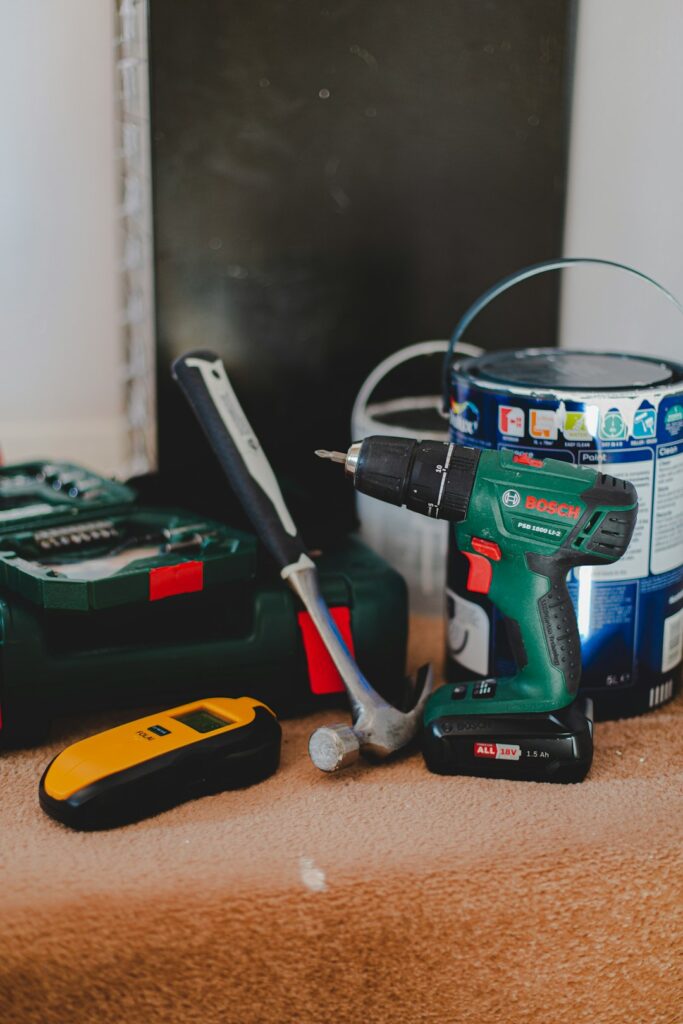
- Using moisture meters or voltage testers to diagnose problems before committing to repairs
In Spring Green homes, it can be especially beneficial to consult regional building guides or community forums. Sharing experiences with neighbors who understand the quirks of local housing can help you avoid common pitfalls.
When Is Calling an Expert a Matter of Safety or Law?
There are clear moments when hiring an expert isn’t just wise—it’s required. If a project involves risks to health, safety, or is dictated by code, stepping back is the best call. Situations where this is likely include:
- Mold remediation, asbestos abatement, or handling lead paint
- Major electrical or gas line work directly tied to main service connections
- Foundational repairs or large-scale structural changes affecting load-bearing walls
Not only do these jobs require specialized training and safety equipment, but area experts are also familiar with inspection processes and documentation local authorities might request. In emergencies—like burst pipes, flooding, or electrical fires—immediate, knowledgeable help is the safest option for everyone in the home.
How Can You Decide What’s Right for Your Home?
Balance the project’s risks, your skill level, and potential long-term impacts. Residents in Spring Green who invest time in learning about local housing quirks, permit rules, and seasonal climate effects often make more confident choices. If unsure, it’s helpful to break a larger job into smaller steps: start with minor tasks, and reassess as you go. For any work involving hidden systems—wiring, plumbing, load-bearing walls—err on the side of caution and prioritize safety above saving time or cost.