

 See My Latest Article on HelloNation
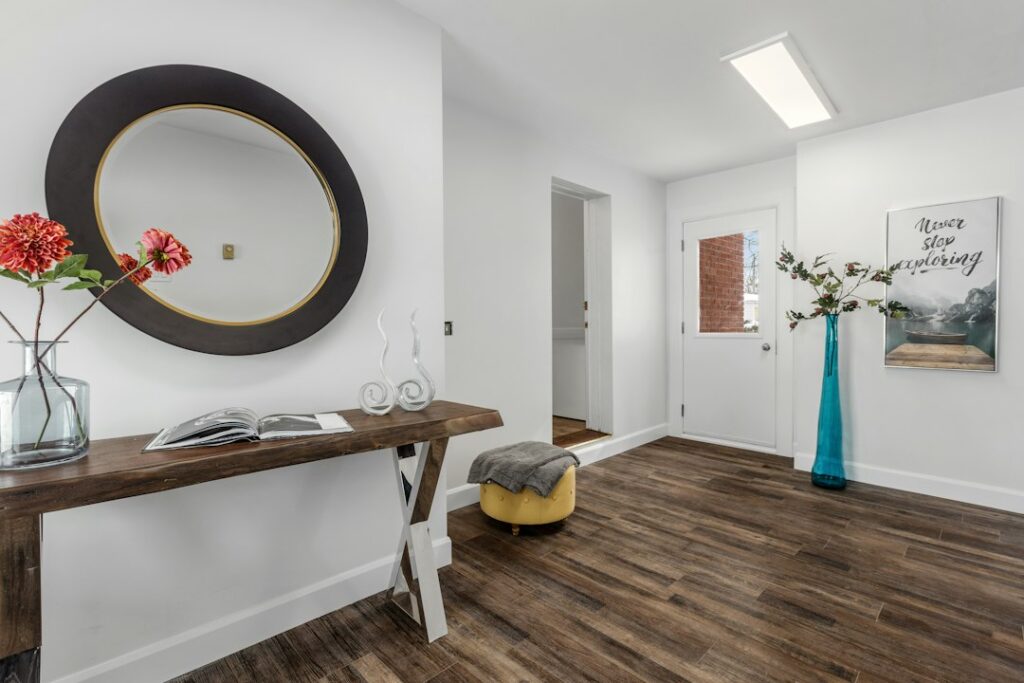
High-traffic areas such as entryways, kitchens, hallways, mudrooms, and family rooms need flooring that can handle repeated foot traffic, tracked-in grit, moisture, furniture movement, and regular cleaning. For households in Spring Green, WI, the most practical choices are usually luxury vinyl, porcelain or ceramic tile, durable laminate, and well-maintained hardwood.
The right option depends on more than appearance. Subfloor condition, moisture exposure, maintenance habits, household pets, and the type of traffic a floor receives all affect long-term performance.
What makes flooring suitable for a high-traffic area?
The best flooring for busy spaces resists wear while remaining easy to clean and comfortable enough for daily use. A durable surface should also tolerate seasonal changes without excessive expansion, cracking, scratching, or staining.
Useful qualities include:
- Strong resistance to abrasion and surface wear
- Low water absorption in areas exposed to snow, mud, or spills
- A surface that does not trap dirt easily
- Stable performance over a properly prepared subfloor
- Repair or replacement options if a section becomes damaged
- A texture that provides reasonable traction without being difficult to clean
Local homes experience seasonal demands that can be hard on floors. Winter moisture, salt, sand, and grit may be carried indoors on footwear, while temperature and humidity changes can affect wood-based materials. A durable floor still needs entry mats, prompt cleanup, and routine maintenance to perform well.
Is luxury vinyl a good choice for busy rooms?
Luxury vinyl is one of the most versatile choices for high-traffic areas because it combines water resistance, resilience, and relatively simple maintenance. It is commonly available as planks or tiles and can resemble wood, stone, or other materials.
It works particularly well in kitchens, hallways, laundry areas, family rooms, and entry zones where spills and tracked-in moisture are common. Quality products typically have a protective wear layer that helps resist scuffs and everyday abrasion.
Advantages include:
- Comfortable underfoot compared with many hard tile surfaces
- Good resistance to common household spills
- Easy sweeping and damp mopping
- Many appearance options
- Individual plank or tile replacement in some installations
Luxury vinyl is not completely immune to damage. Sharp furniture legs, dragging heavy objects, or abrasive grit can leave marks. Water resistance also depends on the product, seams, installation method, and condition of the subfloor. A floor advertised as waterproof should not be treated as protection against standing water that reaches the subfloor or walls.
When is tile the most practical option?
Porcelain and ceramic tile are strong candidates for entryways, mudrooms, kitchens, bathrooms, and other areas where moisture and dirt are frequent concerns. Porcelain generally has lower water absorption and is often preferred for demanding locations, while ceramic tile can be suitable for many interior applications.
Tile resists scratching, staining, and moisture better than most wood-based flooring. Properly installed tile can last for many years, but its performance depends heavily on the substrate and installation details.
Potential drawbacks include:
- A harder, colder feel underfoot
- Grout lines that require periodic cleaning
- A greater chance of chipped edges from heavy impacts
- More demanding subfloor preparation
- Difficult repairs if matching replacement tile is unavailable
For a busy entry area, a moderately textured tile can provide better traction than a highly polished surface. However, excessive texture may hold dirt and make mopping less effective. Grout color and joint width also affect maintenance; very light grout can show tracked-in soil quickly.
Can hardwood handle heavy foot traffic?
Hardwood can perform well in high-traffic rooms, especially when the finish is durable and the floor is maintained properly. It is often a good fit for living rooms, dining areas, hallways, and open areas where warmth and repairability matter.
Hardwood may show scratches and dents sooner than tile or luxury vinyl, but many solid wood floors can be sanded and refinished. That gives them a repair advantage over floor coverings that must be replaced when the wear layer is exhausted.
Performance depends on:
- Wood species and hardness
- Finish quality and condition
- Plank width and installation method
- Control of indoor humidity
- Protection beneath furniture
- Prompt removal of moisture and grit

Wood flooring should not be considered a carefree choice for areas that regularly receive wet boots, melting snow, or pet accidents. Entry mats, boot trays, felt pads, and quick cleanup are especially useful during wet and cold seasons. Engineered wood may offer greater dimensional stability than solid wood in some settings, but it still requires moisture control and careful cleaning.
Is laminate durable enough for hallways and living areas?
Modern laminate can be a practical option for high-traffic living spaces when the product has a strong wear rating and the installation area stays reasonably dry. It is generally resistant to surface scratching and can provide the look of wood at a lower initial cost than many hardwood products.
Laminate is often suitable for:
- Hallways
- Bedrooms
- Living rooms
- Home offices
- Dining areas with controlled moisture
Its main limitation is water exposure. Spills that remain on the surface or seep into joints can cause swelling, especially at edges and seams. Newer water-resistant products may provide more protection, but the exact warranty and installation requirements vary.
Laminate should be installed over a flat, stable subfloor. Unevenness can lead to movement, noise, open seams, or premature wear. It also cannot usually be sanded and refinished like solid hardwood, so severe damage may require plank replacement.
What flooring works best for an entryway or mudroom?
For entryways and mudrooms, moisture resistance and cleanability usually matter more than visual continuity with adjoining rooms. Porcelain tile and luxury vinyl are often practical choices because they tolerate wet footwear and frequent cleaning better than many wood-based products.
A well-designed entry area should include:
- A durable mat outside and another inside
- Space for wet boots to drain or dry
- Protection for flooring transitions
- Regular removal of sand and grit
- Adequate lighting to spot moisture and debris
A floor can be highly durable and still fail early if grit is allowed to remain underfoot. Small particles act like sandpaper as people walk across the surface.
Does flooring color or texture affect maintenance?
Yes. Very dark and very light floors can both show dirt, pet hair, and footprints more readily than medium-toned surfaces. Heavily textured flooring may hide some debris but can require more effort to mop.
For busy households, a moderate pattern or natural variation often offers a useful balance between appearance and maintenance. Glossy surfaces can highlight scratches and smudges, while matte or low-sheen finishes may make everyday wear less noticeable.
Which option offers the best balance for most households?
Luxury vinyl is often the most adaptable all-purpose choice for areas that combine heavy traffic with occasional moisture. Tile is usually the stronger choice where water, mud, and hard wear are the primary concerns. Hardwood remains appealing where warmth, longevity, and future refinishing are priorities. Laminate can serve well in dry living areas when water exposure is limited and the subfloor is properly prepared.
Before choosing, examine the specific room rather than selecting one material for the entire home. A durable flooring plan may use tile or luxury vinyl near exterior doors, hardwood or laminate in dry gathering spaces, and transition strips designed to reduce tripping and movement between surfaces.
The most reliable installation begins with moisture testing where appropriate, correction of subfloor unevenness, attention to expansion gaps, and manufacturer-approved cleaning methods. These details often have as much influence on service life as the flooring material itself.