

 See My Latest Article on HelloNation
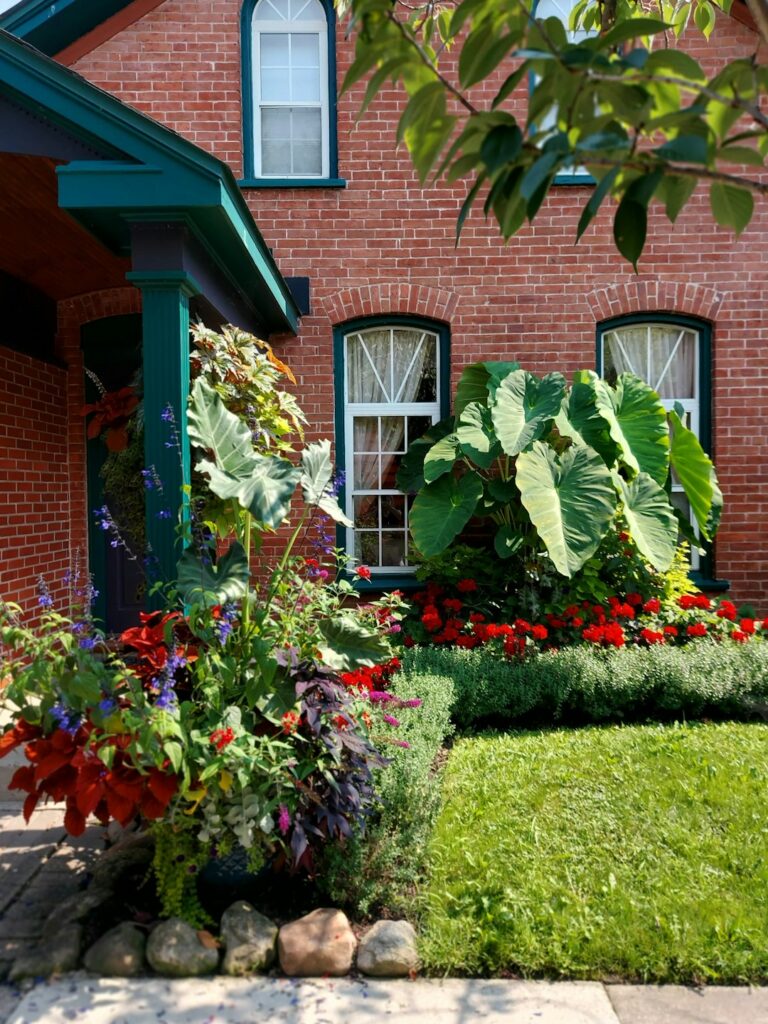
Improving curb appeal does not require a major renovation. For many homes in Spring Green, WI, the most noticeable changes come from better maintenance, clearer entryways, refreshed exterior details, and landscaping choices that can handle cold winters, humid summers, snow, and changing soil conditions.
A practical budget usually works best when improvements are handled in order: clean and repair first, improve visibility and access second, then add decorative features that support the home’s existing style.
What should be improved first?
Start with the parts of the property that affect how well the home is maintained. Cleaning, minor repairs, and better organization often create more visual improvement than adding new decorative items.
Walk around the front of the property and look at the home from the street. Check the following:
- Peeling or faded paint around trim, doors, shutters, or railings
- Overgrown shrubs blocking windows, walkways, or address numbers
- Weeds growing through cracks in walks or along foundation edges
- Dirty siding, porch surfaces, steps, or garage doors
- Loose handrails, damaged lattice, sagging gates, or uneven pavers
- Burned-out bulbs or fixtures with cloudy covers
- Trash bins, hoses, tools, and seasonal items visible from the road
A basic exterior cleaning can often be done with a garden hose, a soft brush, mild household cleaner, and a few hours of labor. Avoid using excessive pressure on older siding, painted wood, mortar joints, or delicate trim. Water forced behind siding or into window assemblies can create problems that are more expensive than the original cleaning.
How can the front entry look better without replacing the door?
The front door is a focal point, but replacement is rarely necessary for a budget update. A thorough cleaning, fresh paint, improved lighting, and visible house numbers can make the entrance feel more intentional.
If the door surface is sound, prepare it carefully before painting. Remove loose paint, lightly sand rough areas, clean away dust, and use a coating suitable for the door material and outdoor exposure. Choose a color that contrasts enough with the surrounding trim to make the entrance easy to identify, while still fitting the home’s exterior.
Other affordable entry improvements include:
- Replacing worn weatherstripping
- Tightening loose hinges, knobs, and door hardware
- Cleaning or repainting the threshold
- Installing large, readable address numbers
- Adding a simple doormat that can dry between uses
- Replacing a damaged porch light or cloudy light cover
- Trimming plants that crowd the steps or obscure the doorway
Lighting should provide a clear view of the steps, landing, and door hardware. Fixtures should be rated for outdoor use and installed according to electrical safety requirements. If wiring is damaged, exposed, or not properly enclosed, correction may require qualified electrical work.
Which landscaping changes provide the most value?
The most useful landscaping improvements are usually those that improve structure, visibility, and seasonal appearance. A neat edge between lawn and planting beds can make an older or modest property look better maintained without adding many plants.
Begin by removing dead growth, cutting back plants that block windows, and defining bed edges. Do not remove healthy shrubs simply because they look too large; selective pruning may be enough. Avoid cutting shrubs into tight geometric shapes unless the plant responds well to that style. Improper pruning can leave bare sections or weaken the plant.
Low-cost landscape improvements may include:
- Adding a layer of mulch to existing beds
- Dividing crowded perennials
- Planting a few durable flowering plants near the entry
- Replacing bare soil with groundcover suited to the site
- Reseeding thin lawn areas in the appropriate season
- Clearing leaves and debris from foundation plantings
- Using simple edging to separate lawn from planting areas
Mulch should not be piled against siding, wood trim, or tree trunks. A shallow, even layer helps conserve moisture and reduce weeds, while excessive mulch can hold moisture against the foundation and contribute to decay.
For local homes exposed to snow and freeze-thaw cycles, avoid placing delicate containers or fragile decorations where snowplows, shovels, or roof runoff can damage them. Plants near downspouts should also tolerate occasional wet conditions without keeping the foundation area saturated.
How can a walkway and driveway improve curb appeal?
A clean, safe approach to the front door often matters more than elaborate landscaping. Remove weeds from cracks, sweep away grit, and repair minor surface problems before adding decorative elements.
For concrete walks, small nonstructural cracks can sometimes be cleaned and sealed with an appropriate exterior repair material. Large cracks, raised sections, crumbling edges, and areas that collect water may indicate drainage or settlement problems. Covering these defects with paint or decorative stone generally does not solve the underlying issue.
Keep the walkway visually open. Shrubs and ornamental grasses should not narrow the path, especially where snow or ice already reduces usable width. Make sure railings are secure and that steps have adequate lighting.
Driveway appearance can also improve through simple maintenance:
- Remove weeds along the edges
- Sweep away gravel and winter debris
- Clean oil or organic stains using a method appropriate for the surface
- Keep vehicles and stored materials from dominating the front view
- Maintain a clear route from parking areas to the entrance

Is exterior painting worth the cost?
Painting can be worthwhile when it addresses visible deterioration rather than covering unresolved damage. Focus on high-impact areas instead of repainting the entire exterior.
Good candidates for a limited painting project include:
- Front and side doors
- Porch railings
- Window trim
- Shutters
- Mailbox posts
- Garage door trim
- Faded sections of siding that can be properly prepared
Before painting, inspect for soft wood, water damage, peeling coatings, and failed caulk joints. Paint will not stop rot or seal a leak. Exterior caulk should be used only where the joint and surrounding materials are suitable for it, and old failed caulk should be removed rather than buried under a new layer.
Spring and fall weather can make outdoor painting less predictable. Cold surfaces, high humidity, rain, and overnight dew can interfere with curing. Follow the coating instructions for temperature and drying conditions, and avoid painting surfaces that are damp or heated by strong direct sunlight.
What inexpensive details make a home look more finished?
Small details are most effective when they create consistency. Matching the finish of the porch light, door hardware, house numbers, and mailbox can make the front of the home appear more coordinated without requiring expensive materials.
Consider using one or two finishes rather than several unrelated colors. For example, a dark finish on the light fixture, numbers, and door hardware may provide a cleaner appearance than mixing multiple metallic tones.
Window treatments visible from the front should also be considered. Uneven curtains, damaged screens, and temporary coverings can draw attention from the street. Repairing screens and maintaining consistent visible window coverings may improve the exterior impression at little cost.
Seasonal decorations should be scaled to the entry and secured against wind. In areas with snow and winter weather, avoid placing items where they interfere with shoveling, plowing, drainage, or emergency access.
How can curb appeal improvements stay within budget?
Set a clear limit before buying materials, then divide the work into maintenance, repair, and appearance categories. Maintenance usually deserves priority because it protects the home and improves appearance at the same time.
A practical sequence might look like this:
- Clean the exterior and remove clutter
- Repair loose, damaged, or unsafe features
- Improve the walkway, lighting, and address visibility
- Refresh paint on one or two prominent surfaces
- Rework existing landscaping
- Add limited decorative elements last
Reuse healthy plants, existing containers, usable hardware, and sound materials whenever possible. Borrowing tools, buying only the amount of mulch or soil needed, and completing one area at a time can reduce waste.
Safety and local requirements should guide any work involving electrical wiring, structural repairs, elevated surfaces, drainage changes, or modifications near property lines. Budget improvements are most successful when they improve the home’s appearance without concealing problems that need more thorough correction.